For decades, cow’s milk has been the undisputed staple of the Western diet. However, as we move through 2026, a significant shift in nutritional science and consumer awareness is taking place. People are no longer looking for just “calories”; they are looking for functional foods that support specific health outcomes. This search for superior nutrition has brought “White Gold”—camel milk—into the spotlight.
While cow’s milk is often associated with digestive discomfort and inflammatory responses, camel milk offers a bio-identical approach to human health. Whether you are managing an autoimmune condition, supporting a child on the autism spectrum, or simply looking for the most nutrient-dense dairy alternative, the evidence is clear. Here are seven science-backed reasons why camel milk is the superior choice over traditional cow’s milk.
1. An Unmatched Vitamin and Mineral Powerhouse
The first and most immediate reason to switch to camel milk is its sheer nutrient density. When compared side-by-side, cow’s milk simply cannot compete with the natural concentrations of essential micronutrients found in camel milk. For those looking to buy camel milk, the primary motivation is often correcting deficiencies that traditional dairy cannot reach.
Research confirms that camel milk contains three to five times more Vitamin C than cow’s milk. In a world where immune support is a top priority, a natural dairy source that provides high doses of antioxidants is invaluable. Furthermore, camel milk is a massive source of bioavailable iron—containing up to 10 times more iron than bovine alternatives.
Nutritional Comparison: Camel Milk vs. Cow Milk
| Nutrient | Camel Milk (per serving) | Cow Milk (per serving) |
|---|---|---|
| Vitamin C | 3x – 5x Higher | Baseline |
| Iron | 10x Higher | Trace Amounts |
| Calcium | Abundant & Bioavailable | Standard |
| Saturated Fat | Significantly Lower | Higher |
| Potassium/Zinc | High Concentrations | Moderate |
2. Naturally A1-Casein Free: No More “Dairy Brain Fog”
Many people believe they are lactose intolerant when, in reality, they are reacting to a specific protein found in most cow’s milk: A1 beta-casein. When cow’s milk is digested, the A1 protein releases a peptide called Beta-Casomorphin-7 (BCM-7). This opioid peptide has been linked in numerous studies to systemic inflammation, digestive distress, and even neurological “fog.”
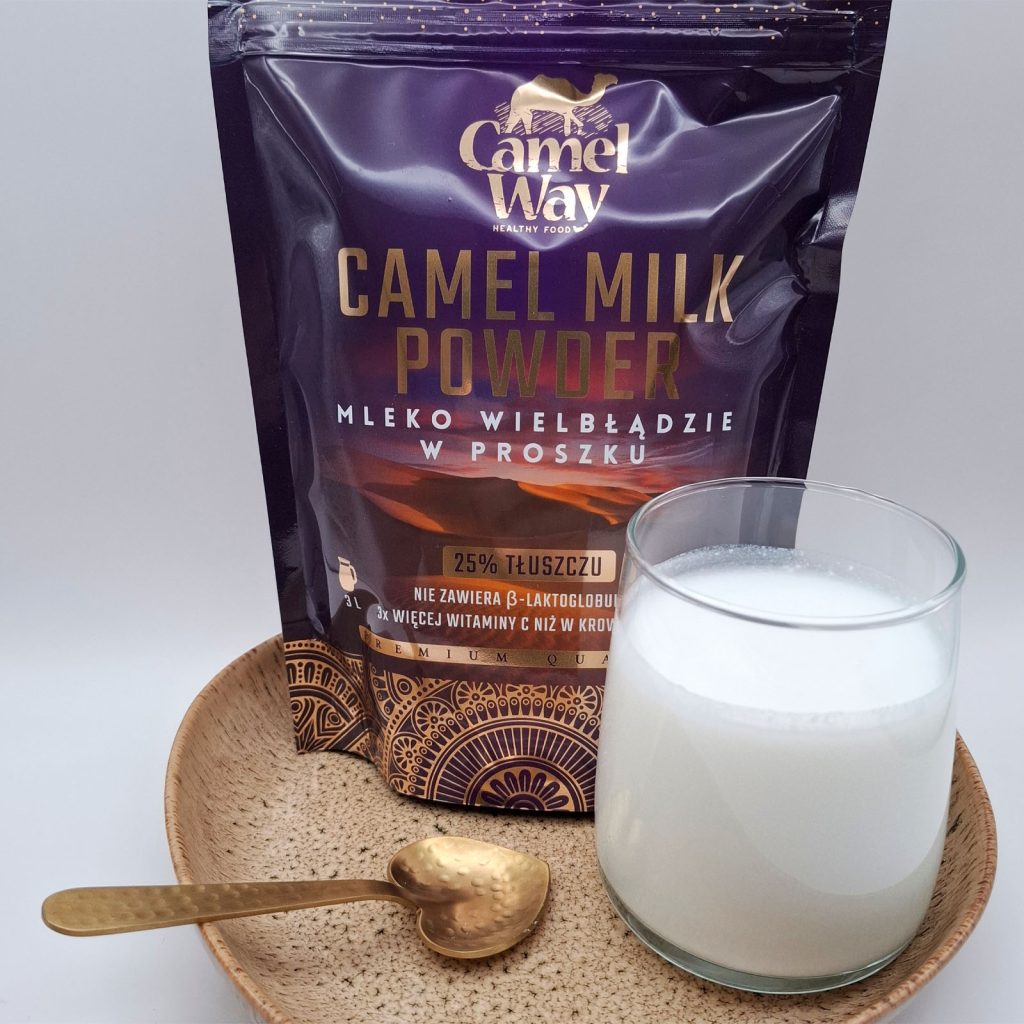
Camel milk is naturally A1-casein free. It consists entirely of A2-type proteins, which do not release BCM-7 during digestion. This makes it the safest choice for those on strict GFCF (Gluten-Free, Casein-Free) diets, particularly individuals with neurodivergent conditions who are sensitive to the opioid-like effects of traditional dairy. By switching to CamelWay Camel Milk Powder, you are choosing a bio-identical protein structure that supports neurological clarity rather than hindering it.
3. The “Insulin-Like” Proteins: A Game Changer for Diabetes
One of the most exciting areas of recent clinical research is the effect of camel milk on glycemic control. Clinical trials have revealed that camel milk contains approximately 52 units of insulin-like proteins per liter. These proteins are unique because they are encapsulated in a way that allows them to bypass the stomach’s acidic environment and reach the bloodstream effectively.
A 2025 report published on Zenodo (DOI 10.5281/zenodo.17184240) synthesized multiple randomized controlled trials (RCTs). The findings were remarkable: patients with Type 1 diabetes who added camel milk to their standard care saw a significant reduction in fasting blood glucose levels and their required daily insulin dose. For Type 2 diabetics, the milk supports improved insulin sensitivity and a healthier lipid profile. Cow’s milk, with its higher sugar content and lack of these specific proteins, offers none of these metabolic benefits.
4. Superior Digestibility and Lactose Tolerance
Lactose intolerance affects a significant portion of the global population. While cow’s milk contains high levels of lactose, camel milk naturally contains lower levels. More importantly, the structural composition of the fats and proteins in camel milk is different. The fat globules in camel milk are smaller, making them easier for the human digestive tract to break down.
Furthermore, camel milk lacks β-lactoglobulin, the primary whey protein in cow’s milk that is responsible for many dairy allergies. This makes it a gentle, non-allergenic alternative for children and adults who experience bloating, cramps, or skin reactions after consuming traditional dairy. It’s not just about “less lactose”; it’s about a fundamental protein structure that the human body recognizes as food rather than a threat.
5. The Bio-Active Shield: Lactoferrin and IgG
Camel milk is often called a “natural probiotic” because of its high concentration of bio-active proteins. Chief among these are Lactoferrin and Immunoglobulins (IgG). While these exist in cow’s milk in small amounts, they are often destroyed during the high-heat pasteurization process used by commercial dairy brands.
Lactoferrin is an iron-binding protein that essentially “starves” harmful bacteria and viruses by depriving them of the iron they need to replicate. This supports a healthy gut microbiome and strengthens the intestinal barrier—crucial for anyone dealing with “leaky gut” or the Autoimmune Protocol (AIP). By maintaining these proteins through low-temperature processing, camel milk acts as a daily immune shield that cow’s milk simply cannot provide.
6. Gut-Brain Axis Support for Autism
In 2026, the connection between gut health and neurological function (the gut-brain axis) is well-documented. For children on the autism spectrum, gut permeability and oxidative stress are often significantly higher than average. Clinical studies have shown that consistent consumption of camel milk can lead to improved behavioral scores by reducing these oxidative stress markers.
The high levels of antioxidant enzymes, such as glutathione, found in camel milk help neutralize the free radicals that impact brain health. Parents across Europe have reported improvements in sleep, focus, and digestive comfort after switching their children from cow’s milk or plant-based alternatives to camel milk. It provides the heavy-duty nutrition required for development without the inflammatory triggers found in bovine dairy.
7. Skin Health: Healing from the Inside Out
If you suffer from eczema, psoriasis, or chronic acne, your choice of dairy matters. Cow’s milk is a known trigger for skin flare-ups due to its pro-inflammatory A1 proteins and hormonal content. Camel milk, conversely, is rich in Alpha-Hydroxy Acids (AHAs) and anti-inflammatory cytokines.
These compounds work from the inside out to reduce systemic inflammation that manifests as skin irritation. Lactoferrin in camel milk also has antimicrobial properties that help fight the bacteria (like Staphylococcus) often associated with eczema. Many users find that incorporating a daily glass of camel milk leads to a clearer, more radiant complexion and a significant reduction in the frequency of psoriasis plaques.
Why the Processing Method Matters: The CamelWay Difference
Not all camel milk is created equal. To reap the 7 benefits listed above, the milk must be handled with extreme care. High-heat drying or standard pasteurization kills the delicate Lactoferrin and Immunoglobulins that make camel milk “White Gold.”
At CamelWay, we use an advanced Low-Temperature Spray Drying process. This method ensures that the resulting powder is bio-identical to fresh milk. It preserves the delicate protein structures and nutritional power, ensuring that when you reconstitute it, you are getting the full clinical benefits of the desert’s most potent superfood. Our 2026 commitment is to provide a product that is non-GMO, antibiotic-free, and legally cleared for the European market with all necessary veterinary permits.
Conclusion: The Choice is Yours
In 2026, we have the data to make better choices for our health. Cow’s milk may be traditional, but camel milk is functional. From its 10x higher iron content and 5x higher Vitamin C to its revolutionary effects on the gut-brain axis and metabolic health, the science is indisputable.
If you are ready to experience the difference that bio-identical nutrition can make, it is time to make the switch. Whether you are looking for a natural probiotic, a diabetes-friendly dairy, or a safe alternative for a sensitive child, CamelWay is here to support your journey.
Ready to upgrade your nutrition? You can buy camel milk today and experience the power of the desert delivered to your door. For the best value and consistency, we recommend starting with our CamelWay Camel Milk Powder 300g, which yields 3 liters of fresh, bio-active milk.
References and Scientific Support
This article is based on peer-reviewed research and clinical trials, including:
- “Camel Milk as a Potential Therapy for Autism Spectrum Disorder” – PubMed
- “Glycemic Control and Camel Milk in Type 1 Diabetes: A Randomized Trial” – PubMed / Zenodo DOI 10.5281/zenodo.17184240
- “Comparative Analysis of Vitamins and Minerals in Bovine and Cameline Milk” – PMC
- “The Role of Lactoferrin in Gut Barrier Restoration” – PubMed
Note: Camel milk is a functional food and should be used as part of a balanced diet. Always consult with a healthcare professional before making significant changes to a medical treatment plan.